

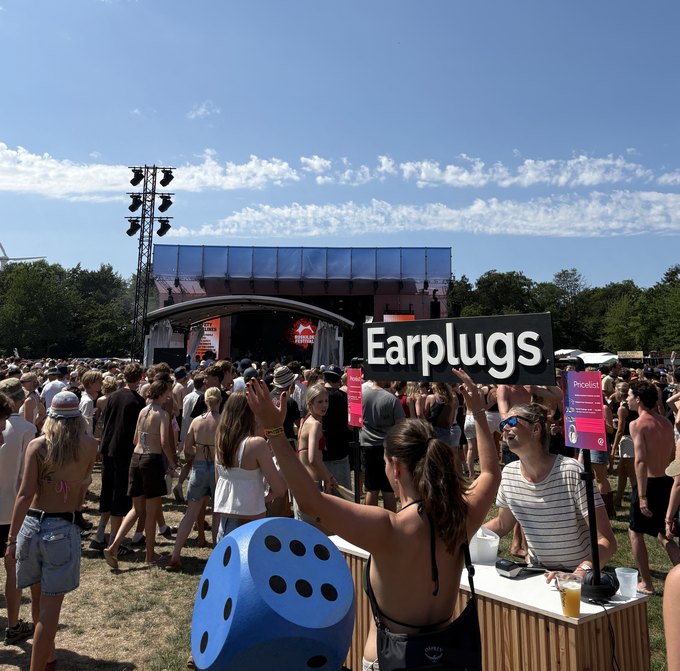
Earproof har drevet med dette i 24 år. I løpet av den tiden har vi sett hva som fungerer på hundrevis av festivalområder og hva som ikke gjør det, og hvorfor ørepropper på en festival ikke lenger bør være et spørsmål, men en selvfølge.
Hvorfor de hører hjemme på ditt arrangement
Det er stort sett allerede avtalt. Den fjerde avtalen om forebygging av hørselsskader fra forsterket musikk, som løper fra 2024 til 2027, ber lokaler og arrangementer om å gjøre velfungerende ørepropper lett tilgjengelige og enkle å finne, ved siden av et tak på 103 dB(A) gjennomsnittet over femten minutter. Det er en avtale mellom bransjen og departementet snarere enn en lov, men det er standarden dine kolleger blir målt etter. Merk at det kreves tilgjengelighet, ikke utdeling: salg er helt fint, og det er det de fleste arrangører gjør. I tillegg skriver mange kommuner tilgjengelighet inn i arrangementstillatelsen, så på en festival er det ofte en hard betingelse også.
Det er service. Folk glemmer dem hjemme, mister dem på veien, eller merker først ved første act at det er høyere enn forventet. Du vil ikke at noen skal dra hjem med ringing i ørene. Det er et dårlig minne fra din festival.
Det er opplæring. Et øre er skjørt og lett å skade, og det budskapet må komme igjen og igjen. Langt fra alle vet at hørselsskader vanligvis ikke leges. En festival er det ene stedet hvor det fester seg, nettopp fordi folk selv kan kjenne hvor høyt det er.
Det begrenser din eksponering. Ingen ønsker et krav i etterkant. Hvis det likevel skjer, vil du kunne vise at beskyttelse var tilgjengelig. Forsikringsselskaper er oppmerksomme på dette.
Og det gir inntekter. Salg av ørepropper er en ekstra inntektsstrøm på området. Ved siden av alle grunnene ovenfor, en velkommen bonus.
Hvilke ørepropper
Valget er bredt: engangs eller gjenbrukbare, billige til dyre, middelmådige til premium. Det er stor variasjon her, og prisen sier svært lite om den beskyttelsen besøkenden din faktisk får. Spør derfor alltid om målt demping, ikke bare hvordan det ser ut.
Skumørepropper, engangstypen, kan du stryke nå. De demper alt like hardt, noe som får musikken til å låte dump, slik at folk tar dem ut igjen etter en halvtime. Du delte dem ut, men du beskyttet ingen.
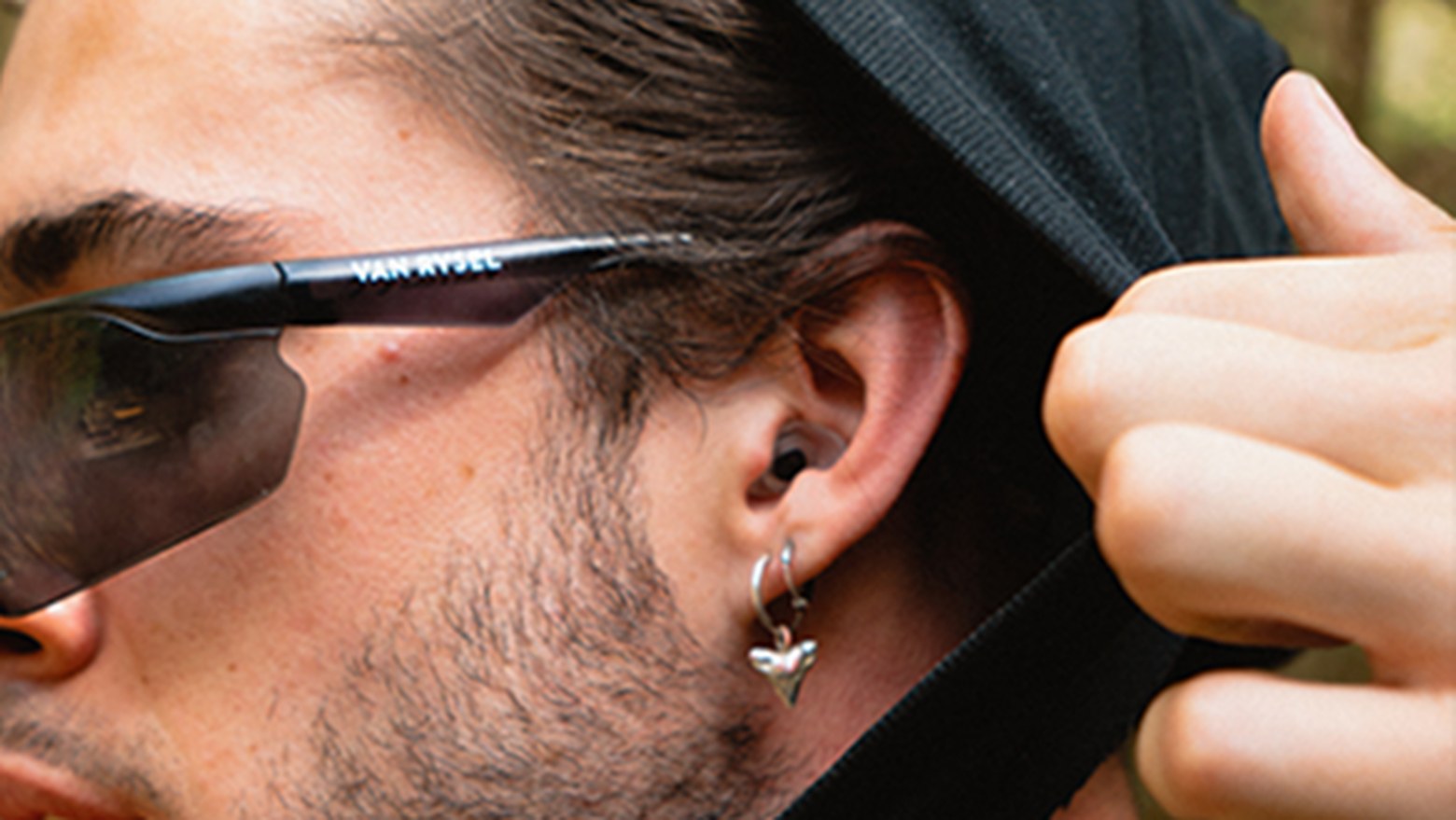
Hva du ser overalt nå er filter med flat demping. Disse er bygget for å bevare opplevelsen intakt: du hører fortsatt musikken slik artisten intenderte den, bare svakere. Det er derfor folk lar dem sitte i, og til slutt er det det eneste som teller.
Hvor du skal plassere dem
Ved inngangen fungerer personlig oppmerksomhet. En stand med trent mannskap som tar seg tid til å se: hvilken størrelse passer, hvilket filter passer til det du skal gjøre i kveld, sett dem i og sjekk passformen. Det tar ett minutt per besøkende og folk setter pris på det, fordi de fleste aldri før har hatt noen som har sett på øret deres.
Ved baren fungerer det motsatte. Det er ditt travleste punkt på dagen og ingen ønsker en samtale der. Da trenger du en lavterskel øreplugg som beskytter nesten alle godt, uten størrelsesjustering og uten kø.
De to utfyller hverandre. Inngangen bygger historien, baren fanger opp alle som gikk glipp av den.
Klubber og lokaler
Avtalen dekker deg også. Den strekker seg utover festivaler og musikklokaler til klubber, barer, kinoer, studentforeninger og idrettslag. Det som skiller seg er ruten: for et arrangement skriver kommunen det ofte inn i tillatelsen, mens for et permanent lokale går det via avtalen. Det praktiske resultatet er det samme.
To ting fungerer annerledes i en klubb.
Eksponeringen gjentas. En festivalbesøkende tar én tung natt i året. En fast gjest tar femti. Det gjør saken for beskyttelse sterkere, ikke svakere, og det gjør ditt personale til gruppen med høyest risiko av alle: de er der hver vakt, i årevis.
Det finnes ingen inngangsstand. Så garderoben blir din motpart til festivalinngangen, og baren forblir baren. Begge punktene når alle, og ingen av dem koster deg gulvplass du uansett brukte.
Sesongene virker også i motsatte retninger. Festivaler topper om sommeren, klubber tar seg opp nøyaktig når markene tømmes. Hvis du driver begge deler, er det en forsyningslinje som aldri står stille.
Hvordan vi ville gått frem sammen med deg
Hvert lokale er forskjellig. En dance-festival med ett stort telt krever noe annet enn en fler-dagers festival med campingplass, og et innendørslokale er igjen noe annet.
Så vi vil heller starte med å se enn å gi et pristilbud. Send oss din plantegning og ditt program, så kommer vi tilbake med et forslag: hvor punktene skal være, hvilke typer som hører hjemme der, og hva sammenlignbare festivaler ser i volum. Du forplikter deg til ingenting, og du vil vite hva som er mulig.
Skal du selv på festival?
Da er det ovenstående mest nyttig å vite, ikke noe du trenger å handle på. For deg handler det om én ting: ta med dine egne ørepropper, og sørg for at det er et par du kan ha i hele dagen.
Tommelregelen fra hele dette stykket gjelder like mye for deg. Ørepropper du tar ut etter en halvtime fordi musikken blir dump, beskytter deg ikke. Ørepropper som lar deg høre musikken ordentlig, blir sittende i.
Del:
Ørepropper for alle aldre — Fra 8 til 88
Har du en tragus-piercing? Da vil du ikke ha spesialtilpassede ørepropper