

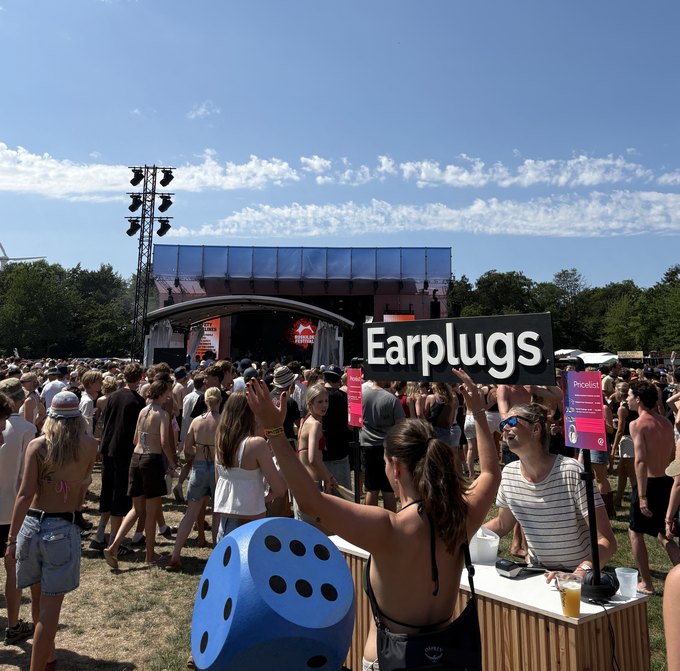
Earproof har hållit på med detta i 24 år. Under den tiden har vi sett vad som fungerar på hundratals festivalområden och vad som inte gör det, och varför öronproppar på en festival inte längre bör vara en fråga utan en självklarhet.
Varför de hör hemma på ditt evenemang
Det är i stort sett redan avgjort. Det fjärde avtalet om förebyggande av hörselskador från förstärkt musik, som löper från 2024 till 2027, uppmanar lokaler och evenemang att hålla välfungerande öronproppar lätt tillgängliga och lätta att hitta, tillsammans med ett tak på 103 dB(A) i genomsnitt över alla femton minuter. Det är en överenskommelse mellan branschen och ministeriet snarare än en lag, men det är standarden som dina kolleger bedöms efter. Notera att det handlar om tillgänglighet, inte om att ge bort dem: att sälja dem är helt okej, och det är vad de flesta arrangörer gör. Ovanpå det skriver många kommuner in tillgänglighet i evenemangstillståndet, så på en festival är det ofta ett hårt krav också.
Det är service. Folk glömmer dem hemma, tappar dem på vägen, eller märker först vid första akten att det är högre än de förväntat sig. Du vill inte att någon ska åka hem med ringing i öronen. Det är ett dåligt souvenir från din festival.
Det är utbildning. Ett öra är skört och lätt att skada, och det budskapet måste komma tillbaka gång på gång. Långt ifrån alla vet att hörselskador oftast inte läker. En festival är den enda platsen där budskapet fastnar, just för att människor själva kan känna hur högt det är.
Det begränsar din exponering. Ingen vill ha ett anspråk i efterhand. Om det ändå kommer därtill vill du kunna visa att skydd fanns tillgängligt. Försäkringsbolag uppmärksammar detta.
Och det ger intäkter. Försäljning av öronproppar är en extra intäktsström på området. Vid sidan av alla ovanstående skäl är det en välkommen bonus.
Vilka öronproppar
Urvalet är stort: engångs eller återanvändbara, billiga till dyra, mediokra till premium. Det finns stor variation där, och priset säger väldigt lite om det skydd din besökare faktiskt får. Fråga därför alltid efter den uppmätta dämpningen, inte bara hur det ser ut.
Skumöronproppar, engångstypen, kan du stryka nu. De dämpar allt lika hårt, vilket gör att musiken låter dov, så folk tar ut dem igen efter en halvtimme. Du delade ut dem, men du skyddade ingen.
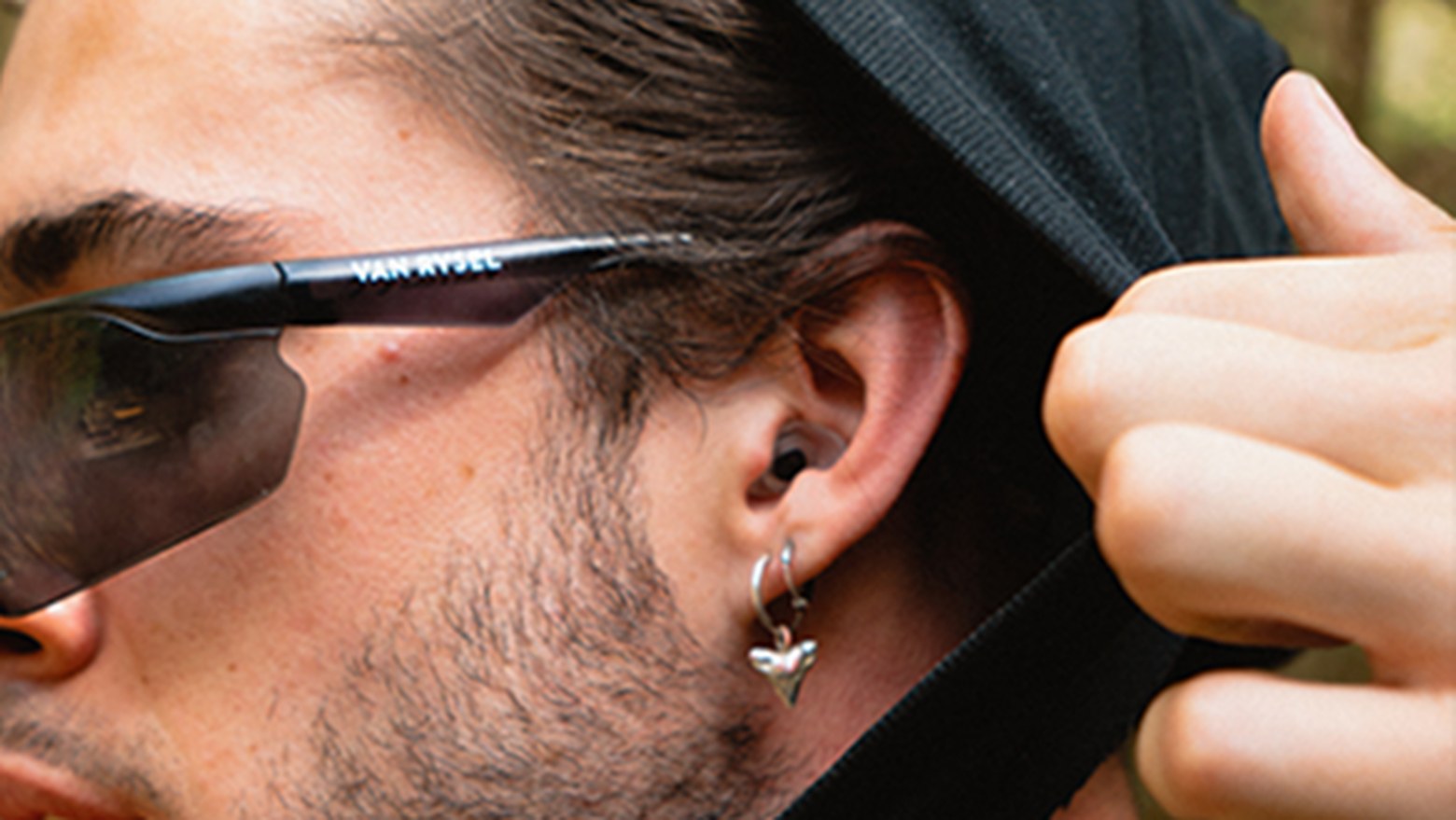
Vad du ser överallt nu är filter med flat dämpning. De är byggda för att lämna upplevelsen intakt: du hör fortfarande musiken så som artisten intendede den, bara tystare. Det är därför folk behåller dem i, och i slutändan är det det enda som räknas.
Var man ska placera dem
Vid entrén fungerar personlig uppmärksamhet. En stånd med utbildad personal som tar sig tid att titta: vilken storlek passar, vilket filter passar det du ska göra ikväll, montera och kontrollera. Det tar en minut per besökare och folk uppskattar det, eftersom de flesta aldrig tidigare haft någon som tittat på deras öra.
Vid baren fungerar motsatsen. Det är din mest hektiska punkt under dagen och ingen vill ha ett samtal där. Det kräver en lättillgänglig öronpropp som skyddar nästan alla bra, utan storleksanpassning och utan kö.
De två kompletterar varandra. Entrén bygger berättelsen, baren fångar alla som missade den.
Klubbar och lokaler
Avtalet omfattar dig också. Det sträcker sig bortom festivaler och musiklokaler till klubbar, barer, biografer, studentkårer och idrottsklubbar. Vad som skiljer sig är vägen: för ett evenemang skriver kommunen ofta in det i tillståndet, medan det för en permanent lokal sker via avtalet. Det praktiska resultatet är detsamma.
Två saker fungerar annorlunda i en klubb.
Exponeringen upprepas. En festivalbesökare utsätts för en tung natt per år. En stamgäst utsätts för femtio. Det gör argumentet för skydd starkare, inte svagare, och det gör din personal till gruppen med högst risk av alla: de är där varje pass, i åratal.
Det finns ingen entréstånd. Så garderobern blir din motsvarighet till festivalentrén, och baren förblir baren. Båda punkterna når alla, och ingen kostar dig golvyta som du ändå använde.
Säsongerna arbetar också i motsatta riktningar. Festivaler har sin topp på sommaren, klubbar tar fart precis när fälten töms. Om du driver båda är det en leveranskedja som aldrig står stilla.
Hur vi skulle angripa det tillsammans med dig
Varje plats är annorlunda. En dance-festival med ett stort tält kräver något annat än en flerdagarsfestival med camping, och en inomhuslokal är återigen något annat.
Därför vill vi hellre börja med att titta än att ge en offert. Skicka oss din planritning och ditt program, så kommer vi tillbaka med ett förslag: var punkterna ska placeras, vilka typer som hör hemma där, och vad jämförbara festivaler ser i volymer. Du binder dig inte till något, och du får veta vad som är möjligt.
Ska du själv på festival?
Då är ovanstående mest bra att veta, inte något du behöver agera på. För dig handlar det om en sak: ta med dina egna öronproppar, och se till att det är ett par du kan ha i hela dagen.
Tumregeln från hela denna text gäller även för dig. Öronproppar som du tar ut efter en halvtimme för att musiken blir dova skyddar dig inte. Öronproppar som låter dig höra musiken ordentligt stannar kvar.
Dela:
Öronproppar för alla åldrar — Från 8 till 88
Har du en traguspiercing? Då vill du inte ha specialanpassade öronproppar